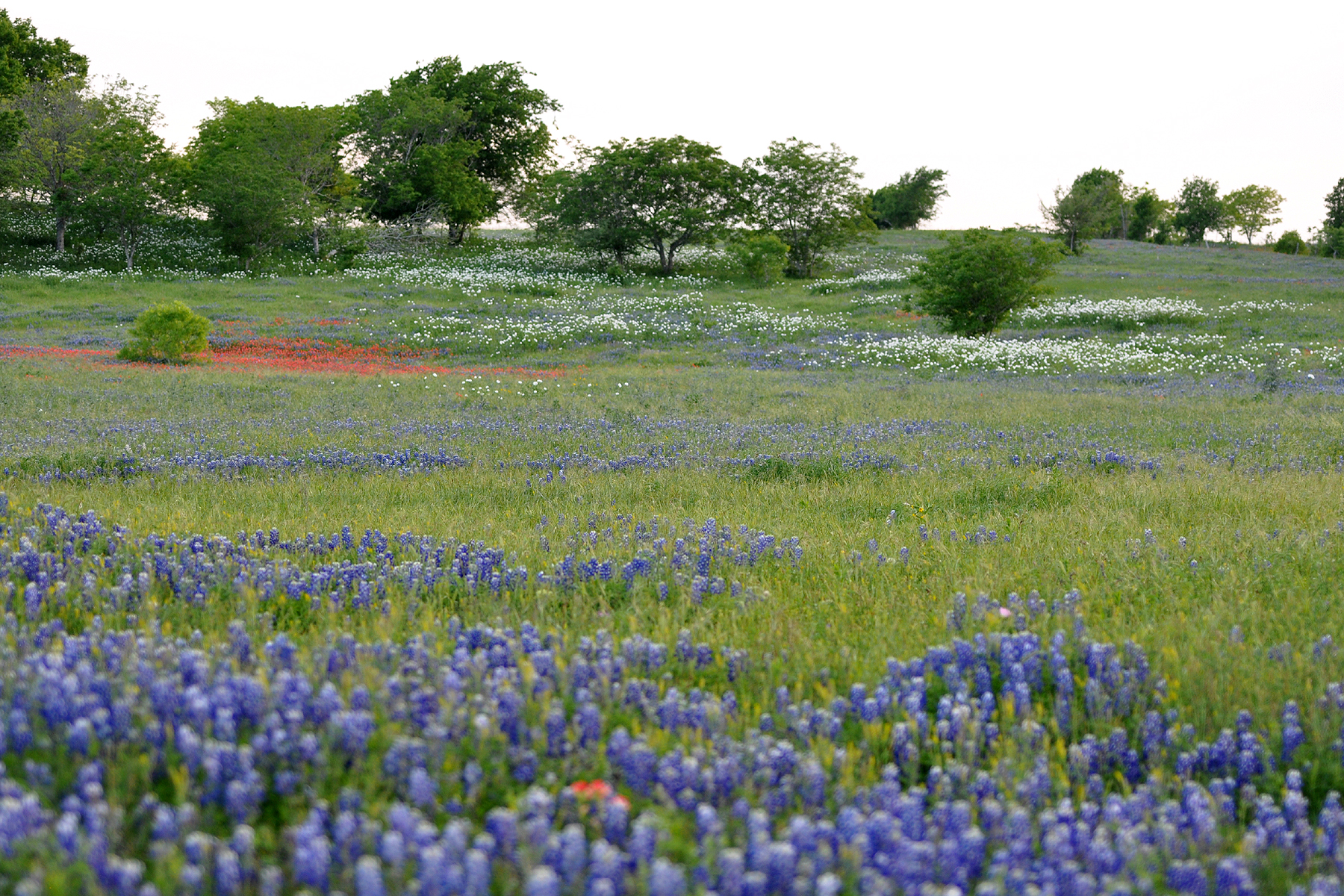
For a few weeks every spring, the Texas Hill Country does something the rest of the year it only hints at: it turns blue. Bluebonnets — the state flower — wash across the medians, fence lines, and ranch roads, mixed with the orange flame of Indian paintbrush and the pink of evening primrose. It is the region’s great seasonal spectacle, and chasing it is a tradition unto itself.
The trouble is timing. Peak bloom usually lands somewhere between mid-March and mid-April, but it shifts a week or two each year depending on fall rains and winter cold. Watch the reports, keep your weekend flexible, and when it’s on, go.
Six drives worth the gas
There’s no single official route — half the fun is wandering — but these reliably deliver in a good year:
- Willow City Loop, near Fredericksburg — the classic 13-mile drive through ranch country. It’s private land along a public road, so stay on the pavement and don’t cross fences.
- Muleshoe Bend on Lake Travis — a LCRA recreation area that turns solid blue in late March. Small entry fee, big payoff.
- Highway 16 between Fredericksburg and Llano — granite-country roadsides thick with bluebonnets and paintbrush.
- The back roads of Blanco County around Johnson City — quiet, rolling, and gorgeous.
- Around Burnet, the self-styled “Bluebonnet Capital of Texas,” with a spring festival to match.
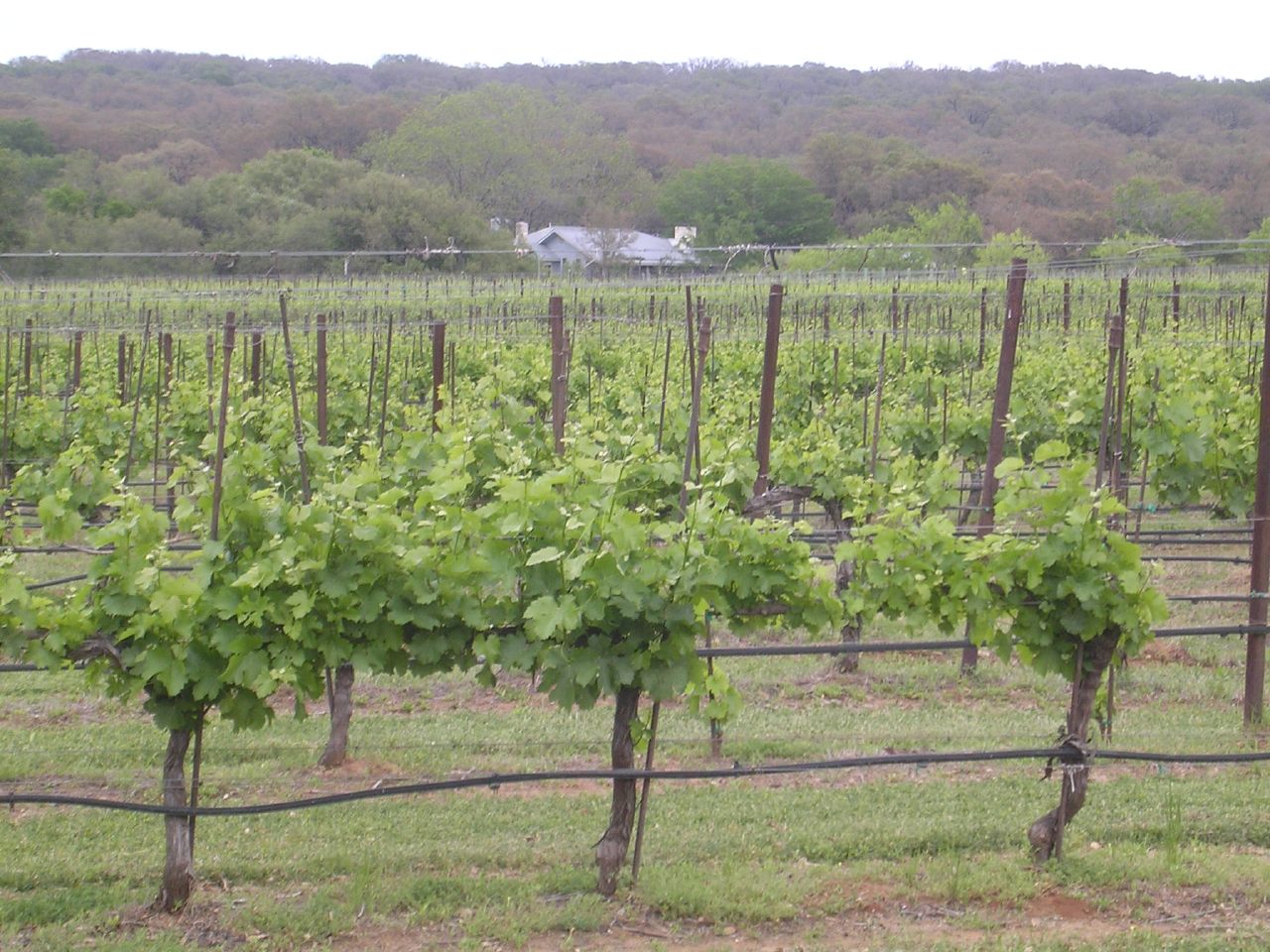
- US-290 east of Fredericksburg — wildflowers and tasting rooms in the same afternoon.
It’s legal to pull over and photograph among the bluebonnets. It is not legal — or kind — to trample a rancher’s pasture to do it.
The unwritten rules of a roadside stop
Bluebonnet photos are a rite of passage, and the tradition survives only because most people are decent about it. A few things every local wishes visitors knew:
- Pull completely off the road. A photo is never worth a rear-end collision on a blind curve.
- It’s a myth that picking bluebonnets is illegal — but trampling, digging, and crossing fences absolutely cause harm. Look, don’t pick.
- Respect private property. That perfect field is usually someone’s ranch.
- Watch where you sit. Fire ants and the occasional snake share the flowers.
- Go early or late. The light is better, and so is the parking.
Do it right and you’ll come home with the picture and a clear conscience — and the field will still be there for the next carful of people chasing the blue.